
Predictive Maintenance Dashboards for Energy and Utility Teams
What energy and utility organizations should expect from predictive maintenance dashboards, from telemetry foundations to alerting, field workflows, and operational decision-making.
Article overview
A concise point of view on the workflow issue behind the topic, written to help teams make a better product decision before they commit to the wrong build.
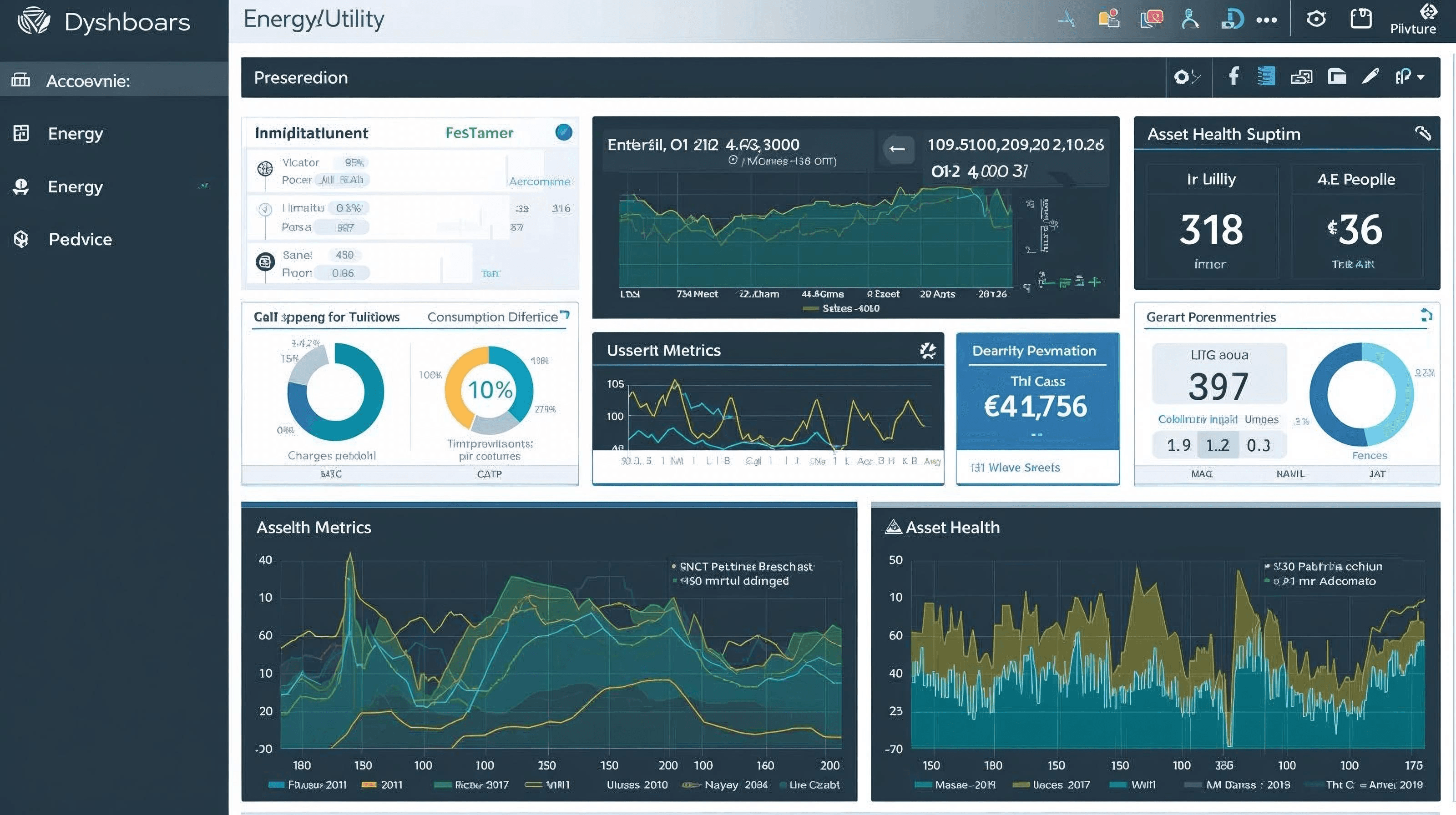
Why many dashboard projects underperform
Utility teams often invest in dashboards that surface more charts but do not change operational behavior. Data is visible, but it is not connected to inspections, maintenance plans, or escalation workflows.
That gap matters. If operators can spot an issue but cannot route it into the right response flow, the dashboard becomes another monitoring surface instead of an operational tool.
Telemetry is only the starting point
Real-time telemetry matters, but predictive maintenance needs more than live data feeds. Teams need asset hierarchies, maintenance history, inspection data, threshold logic, and role-based alerts.
Without that context, prediction quality remains weak and teams struggle to trust the recommendations they see on screen.
What an effective utility dashboard includes
The most useful platforms combine control-room views, field workflows, offline inspection tools, and clear reliability metrics. Operators, engineers, and field teams should each see the version of the workflow that helps them act quickly.
For regulated environments, every maintenance recommendation also needs an audit trail. Teams should be able to trace alerts, approvals, and responses over time.
How to evaluate a first release
A strong first release focuses on a defined asset class, a small set of alerts, and measurable reliability outcomes. Buyers should avoid broad transformation programs that cannot show value in one operational slice.
If the pilot can reduce downtime, improve asset visibility, and prove alert quality, the case for broader rollout becomes much easier to support internally.
Next step
Want this translated into a roadmap for your team?
We can turn these ideas into a scoped first release with the right workflow, data model, controls, and operating cadence.